← All articles
Why Oslo Is One of the World's Best Coffee Cities
The roasters, the culture and the numbers behind the claim
The roasters, the culture and the numbers behind the claim
Oslo is the second-highest coffee-consuming nation per capita in the world — Norway, not Italy. That single fact tends to reframe things for visitors who arrive expecting Scandinavian restraint and find instead a city that is deeply, seriously obsessed with coffee.
This isn't a recent lifestyle trend. Norwegians have been heavy coffee drinkers for generations. What changed over the past two decades was the shift from quantity to quality — and Oslo led that shift in a way that influenced the global coffee industry.
In 2004, a young barista from Oslo named Tim Wendelboe won the World Barista Championship. He was the first Scandinavian to do so, and the win was the start of something. Wendelboe went on to open a small roastery and espresso bar in Grünerløkka — a room with a roaster, a few stools, and no concessions to comfort. It became a pilgrimage site for coffee professionals from around the world.
The Oslo approach he helped define was direct. Light roasts, single origins, brewed to express the character of the bean rather than mask it. No flavoured syrups, no outsized cups. The equipment was precise and the technique was taken seriously.
That philosophy spread. Other roasters followed — Supreme Roastworks, Fuglen, Java, and dozens more. Today Oslo has over 80 specialty coffee operations for a city of 700,000 people. That ratio is hard to find anywhere else in the world.
Most visitors arrive expecting strong, dark espresso — the Italian model that dominates Europe. Oslo doesn't work that way. The default is filter coffee: light-roasted, brewed slowly, often served black. The flavour is clean and bright, sometimes fruity, always traceable to a specific farm or region.
Espresso exists and is excellent, but it is lighter and more acidic than the thick, bitter pulls you find further south. If you order a flat white in Oslo, it will taste different — in a way most people, once they adjust, prefer.
The approach requires good beans, good technique and a customer base that pays attention. Oslo has all three.
Grünerløkka is where it started. Tim Wendelboe's original shop is here, along with a dozen others. The neighbourhood has murals, vintage shops and weekend markets — and more coffee per square kilometre than almost anywhere in Europe.
Vulkan, just south of Grünerløkka on the Akerselva river, is home to Supreme Roastworks. It sits in a repurposed industrial food market — the right kind of Oslo combination of old building and new obsession.
Pilestredet, just west of the centre, is where Fuglen is — a mid-century interior that spawned outposts in Tokyo and New York. A short ride north takes you to St. Hanshaugen and Java, which opened in 1997 and was doing serious coffee before the rest of the world caught up.
The distances between these neighbourhoods are short enough to cover by bike in an afternoon. That is not a coincidence — it is the premise of the Oslo Coffee Tour.
Most cities with a strong food and drink culture have it concentrated in restaurants. Oslo's coffee scene is different — it is accessible at any hour of the day, at any budget, and without a reservation. A cup of filter at Tim Wendelboe costs the same as a mediocre cappuccino in most European capitals.
What you get for that price is coffee that has been thought about seriously at every step from farm to cup, served by people who can explain where it came from and why it tastes the way it does. That conversation, in a small room with good light, is one of the better things to do in Oslo.
Yes, by most serious measures. Norway is the second-highest coffee-consuming nation per capita. Oslo has a disproportionate concentration of world-class specialty roasters and produced the World Barista Champion in 2004. The light-roast, origin-focused approach pioneered here has influenced coffee culture globally.
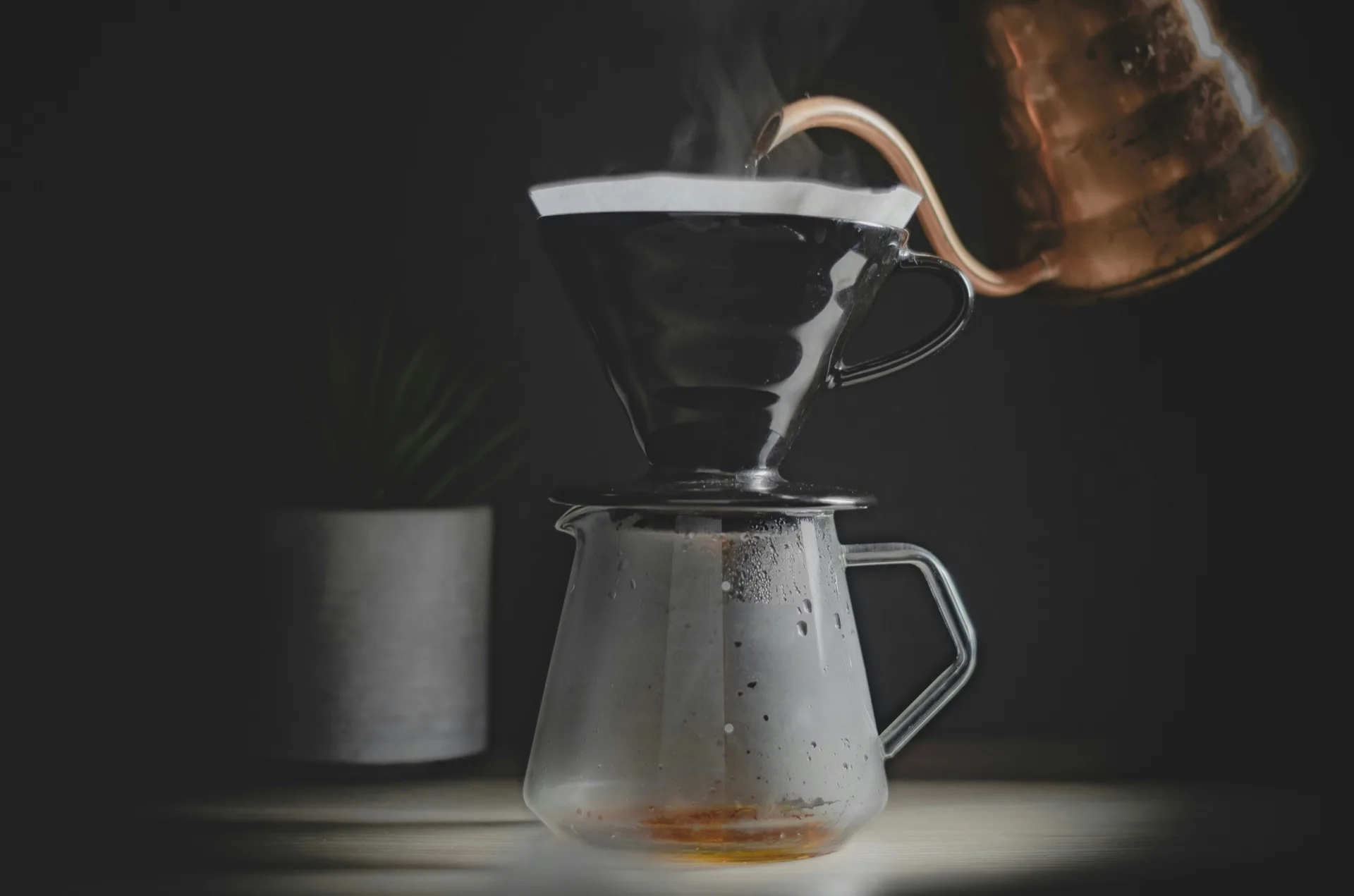
Oslo is known for light-roast, single-origin filter coffee. The emphasis is on clarity and origin character rather than the dark, heavy espresso dominant in many European cities. Many Oslo cafés use Chemex, V60 or batch brew as their primary serve.
Tim Wendelboe won the World Barista Championship in 2004 and became one of the most influential figures in the global specialty coffee movement. His roastery and espresso bar in Grünerløkka became a reference point for coffee professionals worldwide and helped establish Oslo's international reputation.
Grünerløkka and Vulkan are the most concentrated areas — Tim Wendelboe and Supreme Roastworks are both here. Fuglen is in Pilestredet, just west of the centre. Java is in St. Hanshaugen. All four neighbourhoods are within a short bike ride of each other, which makes a coffee tour by bike a natural way to see them.
Yes. The Oslo Coffee Tour by bike visits Tim Wendelboe, Supreme Roastworks, Fuglen and Java in a single 3-hour ride through the city's best coffee neighbourhoods. Your guide connects the shops, the stories and the streets. Hotel pickup included.
A private guided tour visiting Tim Wendelboe, Supreme Roastworks, Fuglen and Java — connected by bike through Grünerløkka, Vulkan, Pilestredet and St. Hanshaugen. Three hours, hotel pickup, four proper stops.
Oslo Coffee Tour — from NOK 1 190